
How to Mentally Prepare for Parenting Disagreements
Are you picturing those perfect parenting moments, only to be hit with a wave of "what ifs?" What if you and your partner disagree on, well,everything? From sleep schedules to screen time, the potential for conflict feels huge.
It's completely normal to feel this way! This isn't about avoiding disagreements entirely (impossible!), but about entering parenthood with a solid game plan for navigating them constructively, strengthening your relationship, and creating a united front for your little one. Consider this your mental prep course for those inevitable parenting disagreements. We’ll explore practical strategies to manage conflict, communicate effectively, and maintain your own well-being amidst the beautiful chaos of raising a child.
Key Takeaway:Disagreements are normal! This guide helps you develop communication and conflict-resolution skills to navigate them constructively and maintain a strong partnership as you embrace parenthood.
Building a Foundation of Understanding Before Baby Arrives
Imagine you're building a house. A strong foundation is essential, right? The same applies to your relationship as you transition into parenthood. Now is the time to lay the groundwork for open communication and mutual understanding. It's about more than just agreeing on things; it's about understandingwhyyou both feel the way you do.
Think back to your own childhood. What parenting styles resonated with you? What did you disagree with? Our upbringings heavily influence our parenting instincts, often subconsciously. Having honest conversations about these experiences can shed light on your individual perspectives and potential areas of conflict. Don’t be afraid to share the good, the bad, and the ugly. For example, maybe you thrived with a lot of structure, while your partner felt suffocated by it. Acknowledging these differences is the first step towards finding common ground.
Start by actively listening to your partner's thoughts and feelings without interruption. Resist the urge to immediately defend your own position. Instead, focus on understanding their perspective. Ask clarifying questions like, “Can you tell me more about why that's important to you?" or "What are your biggest concerns about this approach?" This shows that you value their opinions and are genuinely interested in finding a solution together. Try to see things from their angle, even if you don't necessarily agree.
Don't shy away from discussing specific parenting scenarios. How will you handle tantrums? What are your thoughts on discipline? How important is it to you that your child attends a certain type of school or participates in specific activities? The more you discuss these potential challenges beforehand, the better equipped you’ll be to navigate them when they arise.
Remember, this isn't about finding the "right" answer. It’s about creating a space where you both feel heard and respected, even when you disagree. It's about building a shared vision for your family and establishing a collaborative approach to parenting. It’s about creating a safe space to voice concerns without fear of judgment.
Finally, be patient with yourselves and the process. Building a strong foundation takes time and effort. There will be times when you struggle to understand each other, and that's okay. The important thing is to keep communicating, keep listening, and keep working together towards a shared goal.
Action Tip: Schedule regular "check-in" conversations with your partner to discuss your parenting philosophies and address any concerns or disagreements that arise. Aim for these conversations to be judgment-free and focused on understanding each other's perspectives.
How can I effectively communicate my needs and concerns during pregnancy?
Open and honest communication is key. Use "I" statements to express your feelings and needs without blaming your partner. For example, instead of saying, "You never listen to me," try saying, "I feel unheard when I'm interrupted, and it's important to me that we both have a chance to fully express our thoughts." Practice active listening skills, such as paraphrasing and summarizing what your partner says to ensure you understand their perspective.
Developing Conflict-Resolution Skills for Parents
Okay, so you've laid the foundation. But even the strongest foundation can face storms! Conflicts are inevitable, especially when sleep-deprived and adjusting to a completely new lifestyle. The key is to develop healthy conflict-resolution skills so you can navigate these storms without capsizing your relationship.
One of the most important skills is learning to identify your triggers. What are the topics or behaviors that tend to escalate disagreements? Once you know your triggers, you can develop strategies for managing your reactions. Maybe you need to take a break and cool down before continuing the conversation, or maybe you need to reframe your perspective to approach the situation with more empathy.
Another crucial skill is finding compromises. Parenting is rarely a black-and-white situation. Often, the best solution lies somewhere in the middle. Be willing to compromise and find solutions that work for both of you. This may involve letting go of some of your expectations or being open to trying new approaches. For example, maybe you’re a stickler for a strict bedtime routine, while your partner is more flexible. Could you compromise by having a consistent bedtime on weekdays but allowing for more flexibility on weekends?
It's also important to remember that not every disagreement needs to be won.Sometimes, it's better to agree to disagree and move on. Choose your battles wisely and focus on the issues that are truly important to you. Don't sweat the small stuff. Did your partner load the dishwasher differently than you would? Let it go! Save your energy for the bigger issues.
And, crucially, learn to fight fair. Avoid personal attacks, name-calling, or bringing up past grievances. Stick to the issue at hand and focus on finding a solution. Use respectful language and avoid raising your voice. Take breaks if needed to prevent the conversation from escalating. Remember, your goal is to resolve the conflict, not to win the argument.
Finally, don't be afraid to seek professional help if you're struggling to resolve conflicts on your own. A therapist or counselor can provide valuable tools and strategies for improving communication and conflict-resolution skills. It's a sign of strength, not weakness, to ask for help. Think of it as an investment in your relationship and your family's future.
Action Tip: Discuss and agree upon "rules of engagement" for conflict resolution with your partner. This could include things like taking breaks when needed, avoiding personal attacks, and focusing on finding solutions.
Is it normal to feel anxious about the potential for disagreements with my partner after the baby arrives?
Absolutely. The transition to parenthood is a huge adjustment, and it's normal to feel anxious about the potential for conflict. Sleep deprivation, increased stress, and the demands of caring for a newborn can all contribute to increased tension. Acknowledging these feelings is the first step towards managing them. Talking openly with your partner about your anxieties can help you both feel more prepared and supported.
Maintaining Your Well-Being Amidst the Chaos
Parenting disagreements don't exist in a vacuum. They're often exacerbated by stress, exhaustion, and the general overwhelm of new parenthood. Taking care of your own well-being is not selfish; it's essential for being a good partner and a good parent. If you're running on empty, you'll be less patient, less understanding, and more prone to conflict.
Prioritize self-care. This looks different for everyone. Maybe it's taking a relaxing bath, reading a book, going for a walk, or spending time with friends. Whatever it is, make sure you're carving out time for yourself, even if it's just for a few minutes each day. It’s about finding small pockets of peace amidst the storm. Even five minutes of deep breathing can make a difference.
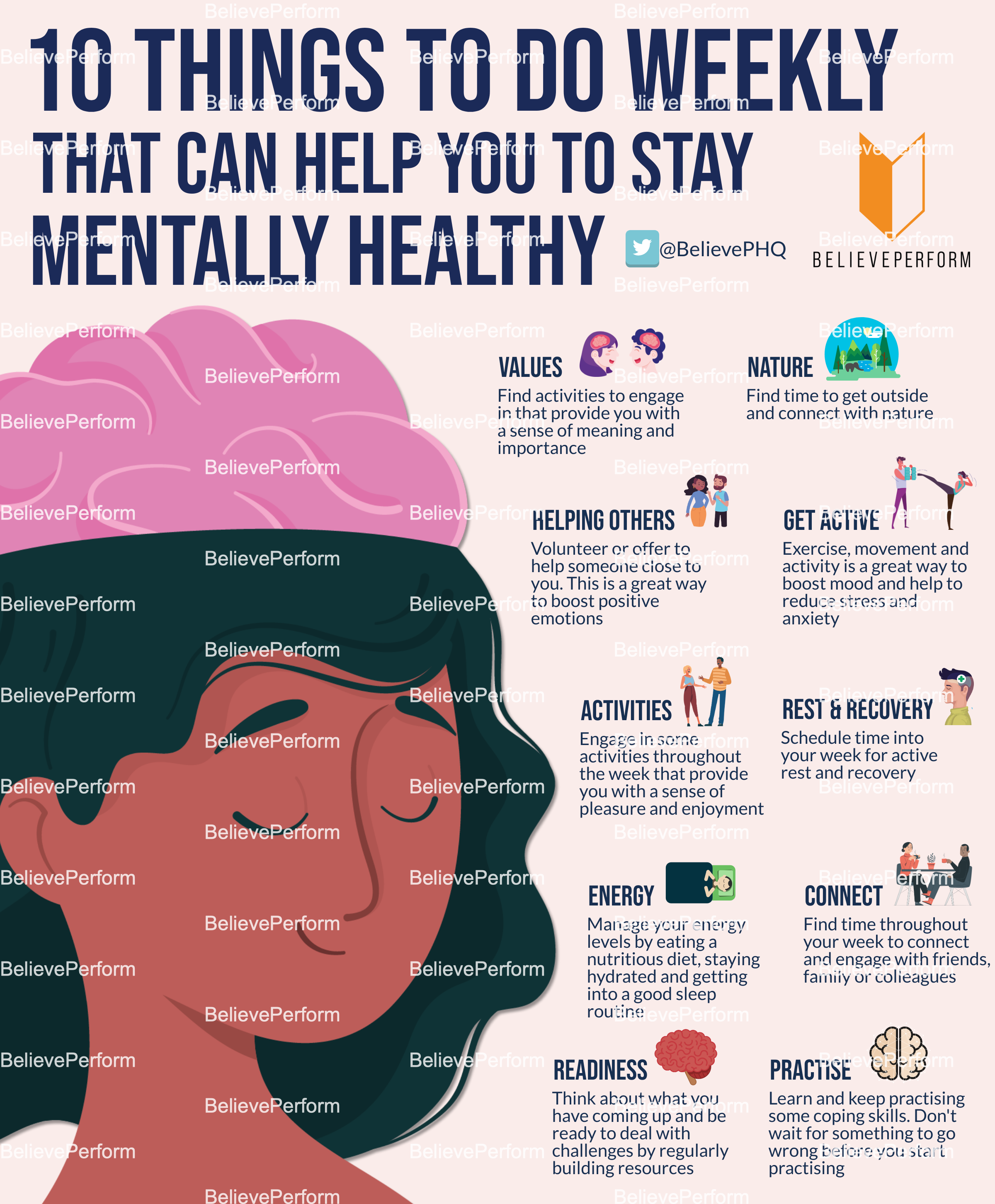
Don't neglect your physical health. Eat nutritious meals, stay hydrated, and get as much sleep as possible (easier said than done, I know!). Even short naps can help you feel more rested and energized. Trade off nighttime duties with your partner so you both get a chance to sleep.
And remember the importance of connection. Make time for intimacy with your partner, even if it's just cuddling on the couch or having a meaningful conversation. Remember why you fell in love in the first place. Parenthood can be isolating, so make an effort to stay connected with friends and family. Lean on your support network for help and encouragement.
Don't be afraid to ask for help when you need it. Whether it's asking a friend to watch the baby so you can take a nap, hiring a babysitter for a date night, or seeking professional help from a therapist or counselor, there's no shame in asking for support. Remember, you don't have to do it all alone.
Finally, practice self-compassion. Be kind to yourself and acknowledge that you're doing the best you can. Parenting is hard, and everyone makes mistakes. Don't beat yourself up over imperfections. Focus on learning from your mistakes and moving forward.
Action Tip: Create a self-care plan that includes activities that nourish your mind, body, and spirit. Share your plan with your partner and ask for their support in making it a priority.
What are some practical strategies for managing stress and anxiety during pregnancy and early parenthood?
Establish a daily routine that includes time for self-care, even if it's just for a few minutes each day. Practice mindfulness techniques, such as meditation or deep breathing exercises. Get regular exercise, even if it's just a short walk. Connect with other parents for support and encouragement. Limit your exposure to stressful news and social media. Talk to your doctor or a therapist if you're struggling to manage your stress and anxiety.
Parenting disagreements? They're a part of the journey, not a sign of failure. By building a strong foundation of communication, developing conflict-resolution skills, and prioritizing your well-being, you can navigate these challenges with grace and resilience.
You're not alone in this, and you've got this. Take it one step at a time, and remember that even small efforts can make a big difference. You are building a family, and that's an incredible accomplishment.
Posting Komentar untuk "How to Mentally Prepare for Parenting Disagreements"