
Mental Prep That Boosts Emotional Stability in Mothers
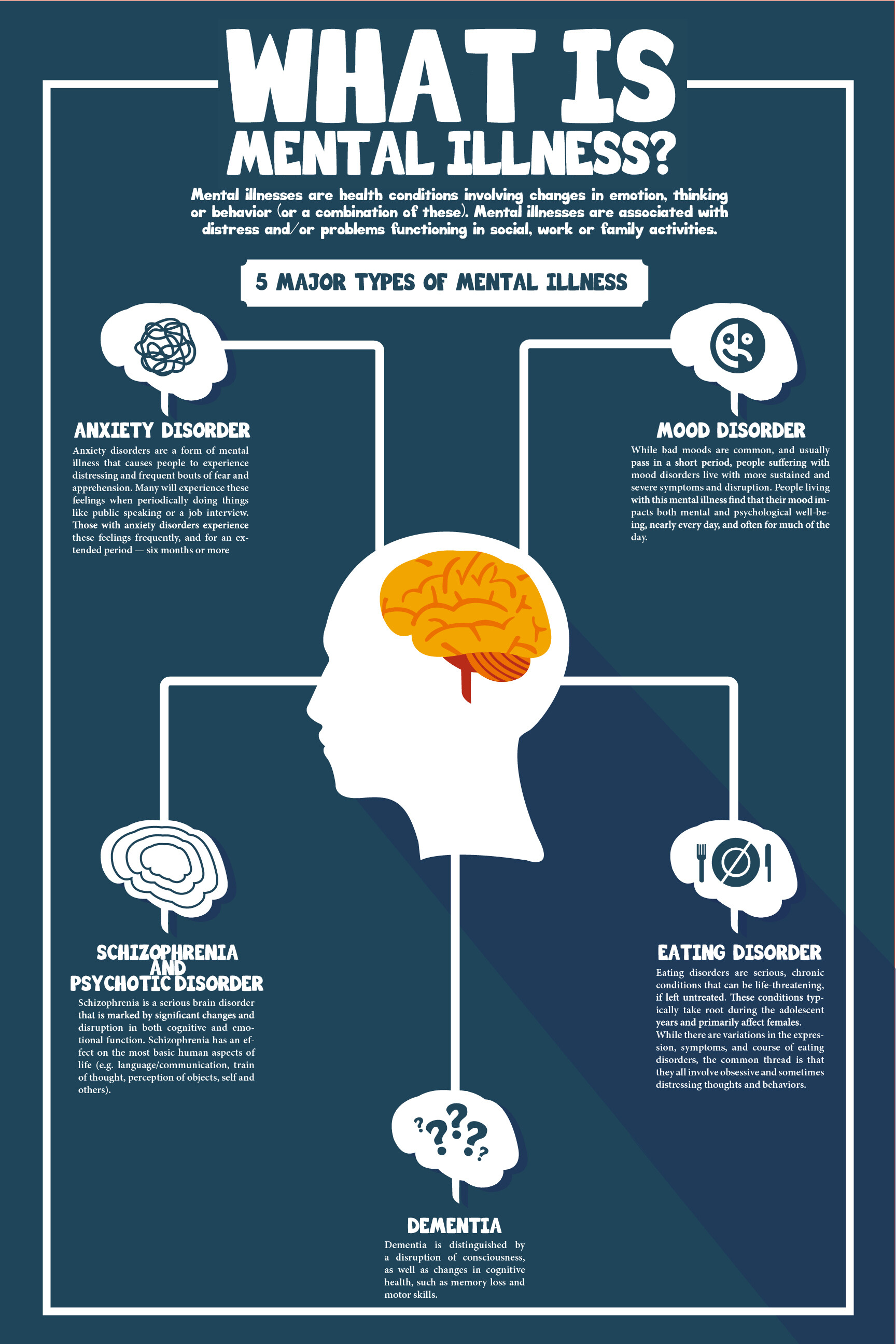
Feeling like your emotions are on a rollercoaster during pregnancy? You’re not alone. Many expecting mothers experience a whirlwind of feelings, from excitement and joy to anxiety and overwhelm. Preparing mentally and emotionally is just as important as preparing physically for motherhood.
This article will give you practical, actionable strategies to build emotional stability during this transformative time. We'll explore simple yet powerful techniques to manage anxiety, cultivate a positive mindset, and nurture your inner strength, so you can confidently embrace the journey ahead. Let's dive in.
Key Takeaway: Pregnancy brings big emotional changes. Simple, consistent self-care habits, like mindfulness and journaling, can significantly boost your emotional resilience and help you feel more prepared for motherhood.
Cultivating a Mindset of Self-Compassion and Acceptance
Pregnancy is a period of profound change, both physically and emotionally. It’s easy to get caught up in the pressure to be “perfect,” to have the “perfect” pregnancy, and to be the “perfect” mother. But the truth is, there's no such thing. Striving for perfection only leads to unnecessary stress and self-criticism. Instead, cultivating self-compassion and acceptance is vital for your emotional well-being.
Self-compassion means treating yourself with the same kindness and understanding you would offer a friend going through a difficult time. It means acknowledging your imperfections and struggles without judgment. Acceptance, on the other hand, involves recognizing and embracing the reality of your situation, even when it's not what you expected.
Think of it like this: Imagine you're baking a cake for the first time. It doesn't rise perfectly, or maybe it's a little burnt around the edges. Would you throw the whole cake away and berate yourself for failing? Or would you acknowledge that you're still learning, salvage what you can, and try again next time with a few adjustments? Pregnancy and motherhood are similar – there will be moments that don't go as planned, and that's perfectly okay.
One practical way to cultivate self-compassion is through mindful self-compassion breaks. When you notice yourself feeling stressed or overwhelmed, take a moment to pause and acknowledge your feelings. Tell yourself, "This is a moment of suffering," or "This is hard." Then, offer yourself some words of kindness, such as, "May I be kind to myself," or "May I give myself the compassion I need." Finally, remind yourself that you're not alone and that many other mothers experience similar challenges.
Another helpful technique is to challenge your negative self-talk. Often, we're our own worst critics. Pay attention to the thoughts that run through your mind and ask yourself if they are truly accurate or helpful. For example, if you find yourself thinking, "I'm not ready for this," challenge that thought by asking, "What evidence do I have that I'm not ready? What strengths do I have that will help me?"
Experts often suggest focusing on what youcancontrol. During pregnancy, there are many things that are outside of your control. Instead of dwelling on these things, focus on what youcaninfluence, such as your diet, exercise, and self-care routines. This will help you feel more empowered and in control of your experience.
Ad spot here - place a relevant, family-friendly ad
How can I reframe negative thoughts during pregnancy?
Try replacing them with positive affirmations. For example, instead of thinking "I'm going to be a terrible mom," tell yourself "I'm learning and growing every day, and I'll do my best."
Is it normal to doubt my abilities as a mother?
Absolutely. Most expecting mothers experience moments of self-doubt. It's a sign that you care and want to do a good job. Recognize the feeling, but don't let it consume you.
What if I feel guilty about not enjoying every moment of my pregnancy?
It's perfectly normal to have mixed feelings. Pregnancy can be physically and emotionally challenging. Allow yourself to feel whatever you feel without guilt.
Action Tip: Start a daily gratitude journal. Each day, write down three things you're grateful for, even on tough days. This simple practice can shift your focus to the positive and cultivate a more compassionate mindset.
Creating a Supportive Network and Setting Boundaries
Having a strong support system is crucial for navigating the emotional challenges of pregnancy. This network can include your partner, family members, friends, support groups, or even online communities. Connecting with others who understand what you're going through can provide a sense of belonging, reduce feelings of isolation, and offer valuable emotional support.
Don’t hesitate to reach out to your loved ones and share your feelings. Open communication is key to maintaining healthy relationships and ensuring that you have the support you need. If you're struggling to communicate effectively with your partner, consider seeking couples counseling. A therapist can help you develop better communication skills and navigate the changes that pregnancy brings to your relationship.
Remember Sarah, a first-time mom who felt overwhelmed and isolated during her second trimester? She initially hesitated to share her struggles with her friends and family, fearing that she would be judged. However, after joining a local pregnancy support group, she realized that many other women were experiencing similar challenges. Sharing her experiences with others who understood made her feel less alone and gave her a safe space to vent her feelings.
However, it's equally important to set boundaries to protect your emotional well-being. This might mean limiting contact with people who are constantly negative or critical, saying no to commitments that drain your energy, or creating dedicated time for self-care. Learning to say no can be challenging, especially when you're used to accommodating others, but it's essential for prioritizing your own needs.
For example, if your mother-in-law is constantly offering unsolicited advice, it's okay to gently but firmly set boundaries. You could say something like, "Thank you for your input, but I'm working closely with my doctor/midwife and we're making decisions that feel right for me." It's important to be respectful but also assertive in protecting your emotional space.
Consider attending a prenatal class. These classes not only provide valuable information about childbirth and newborn care but also offer opportunities to connect with other expecting parents. Sharing your experiences and learning from others can be incredibly reassuring and empowering.
Ad spot here - place a relevant, family-friendly ad
How can I find a good pregnancy support group?
Ask your doctor or midwife for recommendations, or search online for local groups in your area. You can also find online communities and forums specifically for pregnant women.
What if my partner isn't supportive during my pregnancy?
Try to communicate your needs clearly and openly. If you're struggling to connect, consider couples counseling. A therapist can help you both understand each other's perspectives and develop better communication skills.
How do I deal with unsolicited advice from friends and family?
Acknowledge their intentions but politely set boundaries. You can say something like, "I appreciate your advice, but I'm comfortable with the decisions I'm making."
Action Tip: Identify one person you can confide in and schedule regular check-ins. Even a 15-minute phone call can make a difference. Also, identify one boundary you need to set this week to protect your emotional well-being and commit to enforcing it.
Establishing Daily Routines for Emotional Regulation
Creating consistent daily routines can provide a sense of stability and predictability, which can be incredibly helpful for managing anxiety and promoting emotional regulation during pregnancy. These routines don't have to be elaborate or time-consuming; even small, consistent habits can have a significant impact on your well-being.
Start by incorporating mindfulness practices into your daily routine. Mindfulness involves paying attention to the present moment without judgment. This can be as simple as taking a few deep breaths, focusing on your senses, or practicing mindful eating. There are also many guided meditation apps and online resources available to help you get started. Experts often recommend even just 5-10 minutes of daily mindfulness can reduce stress and improve your overall mood.
Consider starting your day with a gentle stretching routine or a short walk in nature. Physical activity releases endorphins, which have mood-boosting effects. Even a few minutes of exercise can help you feel more energized and positive. Of course, always consult with your doctor before starting any new exercise program during pregnancy.
Prioritize sleep. Pregnancy can disrupt your sleep patterns, but getting enough rest is essential for both your physical and emotional health. Establish a relaxing bedtime routine, such as taking a warm bath, reading a book, or listening to calming music. Avoid screen time before bed, as the blue light emitted from electronic devices can interfere with sleep.
Journaling can also be a powerful tool for emotional regulation. Writing down your thoughts and feelings can help you process emotions, gain clarity, and identify patterns in your thinking. You don't have to be a skilled writer to benefit from journaling. Simply write whatever comes to mind without worrying about grammar or style.
Meal prepping healthy snacks and meals can also reduce stress and promote healthy eating habits. When you're prepared with nutritious options, you're less likely to reach for unhealthy comfort foods, which can negatively impact your mood and energy levels.
Ad spot here - place a relevant, family-friendly ad
How can I find time for self-care when I'm exhausted?
Start small. Even 5-10 minutes of self-care can make a difference. Schedule it into your day like any other appointment and treat it as non-negotiable.
What are some simple mindfulness exercises I can do?
Try focusing on your breath, practicing mindful walking, or paying attention to your senses during everyday activities like eating or showering.
Is it safe to take medication for anxiety during pregnancy?
Talk to your doctor about your options. Some medications are safe to take during pregnancy, but it's important to weigh the risks and benefits with your healthcare provider.
Action Tip: Choose one new routine, whether it’s a 5-minute meditation or a 10-minute walk, and commit to incorporating it into your daily life this week. Track how it makes you feel.
Remember that preparing mentally for motherhood is a continuous process, not a one-time event. Be patient with yourself, celebrate your progress, and don't be afraid to ask for help when you need it. You are stronger than you think, and you are capable of embracing the beautiful journey of motherhood. The focus on overcoming pregnancy anxiety through these daily habits, a supportive network, and self-compassion will set you on the right path.
Posting Komentar untuk "Mental Prep That Boosts Emotional Stability in Mothers"