
Mental Prep That Helps Moms Embrace Change
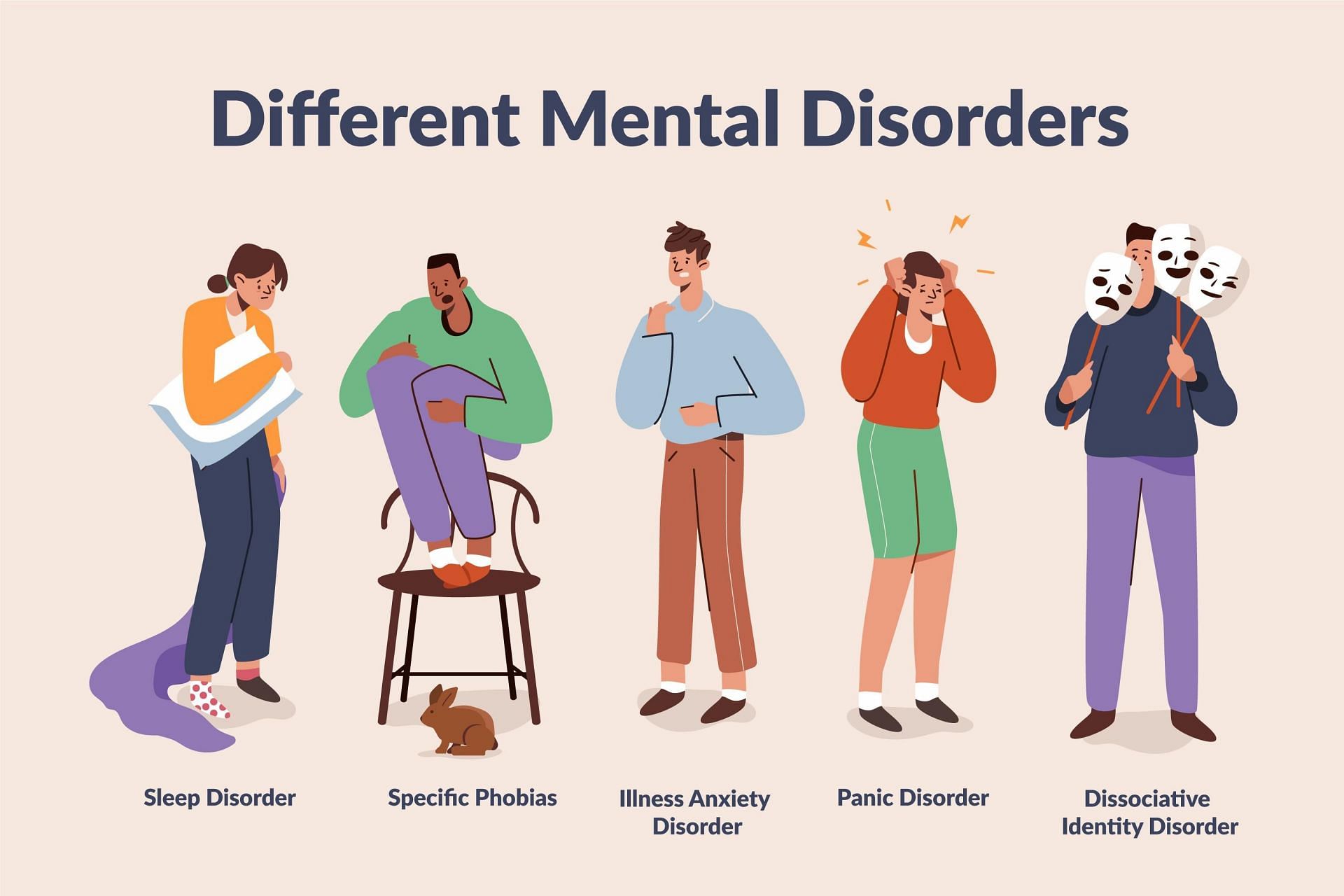
Feeling a little overwhelmed by the mountain of changes coming your way? You're not alone. Pregnancy is a beautiful journey, but let's be honest, it's a whirlwind of physical, emotional, and mental adjustments. It's completely normal to feel a mix of excitement and anxiety as you prepare to welcome your little one.
This article is your guide to navigating the mental and emotional landscape of pregnancy. We'll explore practical strategies to cultivate a resilient mindset, embrace the inevitable changes, and approach motherhood with confidence and grace. We will focus on building mental and emotional readiness for motherhood and overcoming common anxieties.
Key Takeaway: Preparing mentally for motherhood is just as important as preparing physically. By proactively nurturing your emotional well-being, you can navigate the challenges of pregnancy and postpartum with greater resilience and joy.
Cultivating a Growth Mindset for Motherhood
Motherhood is the ultimate masterclass in adaptability. Think of it as a chance to grow, evolve, and discover strengths you never knew you possessed. Approaching motherhood with a "growth mindset"—the belief that your abilities and intelligence can be developed through dedication and hard work—can transform challenges into opportunities.
Instead of dwelling on what youcan'tdo or what might go wrong, focus on what youcanlearn and how you can grow. This shift in perspective makes a world of difference. For example, many moms-to-be worry about breastfeeding. Instead of thinking, "What if I can't breastfeed?" try reframing it: "I'm going to learn as much as I can about breastfeeding, and I'll seek support if I need it." This proactive approach is empowering.
Think back to a time when you faced a significant challenge in your life. What strategies did you use to overcome it? How did you grow from the experience? Drawing on past successes can bolster your confidence as you approach motherhood. Maybe you overcame a fear of public speaking by practicing and visualizing success. Use those same techniques now!
One fantastic tool for cultivating a growth mindset is journaling. Each day, write down one thing you learned or one way you grew. It could be as simple as mastering a new breathing technique for relaxation or discovering a helpful resource for new parents. Reflecting on these small victories reinforces your ability to learn and adapt. Consider using prompts like:
What am I most proud of accomplishing today?
What is one thing I learned about myself today?
How can I use this experience to grow as a mother?
Another powerful tool is visualization. Spend a few minutes each day visualizing yourself successfully navigating the challenges of motherhood. Imagine yourself calmly soothing your baby, confidently making decisions, and gracefully handling unexpected situations. This mental rehearsal can help reduce anxiety and build confidence. Envisioning the positive aspects helps overcome pregnancy anxiety.
A friend of mine, Sarah, confessed she was terrified of sleep deprivation. Instead of letting that fear consume her, she researched strategies for managing sleep deprivation, talked to experienced moms, and created a plan for sharing night duties with her partner. She also reframed her thinking: "Even if I'm tired, I can still be a good mom." This proactive approach significantly reduced her anxiety.
Experts often suggest practicing self-compassion. Be kind to yourself, especially when you make mistakes. Motherhood is a learning process, and no one is perfect. Remember that every mom makes mistakes, and that's okay. Treat yourself with the same understanding and compassion you would offer a close friend.
Think of your pregnancy journey as a marathon, not a sprint. There will be ups and downs, moments of joy and moments of exhaustion. Celebrate the small victories, learn from the setbacks, and remember that you are capable of amazing things.
How can I calm my mind before giving birth?
Deep breathing exercises, meditation, and mindfulness practices can help calm your mind. Focus on your breath, and gently redirect your thoughts when they wander. Also, try creating a calming environment by listening to soothing music or spending time in nature.
Action Tip: Start a daily gratitude journal. Each day, write down three things you are grateful for. This simple practice can shift your focus from worries to blessings, promoting a more positive and resilient mindset.
[Ad spot here]
Building Your Support System
Motherhood is not meant to be a solitary journey. Building a strong support system is crucial for your emotional well-being. Lean on your partner, family, friends, and community resources. Don't be afraid to ask for help when you need it.
Your partner is your primary teammate. Open communication is key. Share your fears, anxieties, and expectations. Work together to create a plan for dividing responsibilities and supporting each other. A strong partnership can make all the difference in navigating the challenges of parenthood. Set aside dedicated time each week to connect and nurture your relationship.
Family and friends can provide invaluable emotional support and practical assistance. Talk to experienced moms in your circle. Ask them about their experiences, challenges, and coping strategies. Hearing from others who have been there can normalize your feelings and offer valuable insights. Don't hesitate to ask for help with tasks like running errands, preparing meals, or watching the baby while you take a break.
Consider joining a new parent group or online community. Connecting with other moms who are going through the same experiences can be incredibly validating and supportive. Share your stories, ask questions, and offer encouragement. Knowing that you are not alone can make a huge difference.
Another vital aspect is setting healthy boundaries. It's okay to say no to commitments or requests that overwhelm you. Protect your time and energy by prioritizing your well-being and focusing on what truly matters. Remember, you can't pour from an empty cup.
A friend of mine, Emily, felt overwhelmed by visitors after giving birth. She realized she needed to set boundaries to protect her time and energy. She communicated her needs to her family and friends, explaining that she needed time to rest and bond with her baby. While initially some were disappointed, everyone ultimately understood and respected her wishes.
Experts often suggest creating a "village" of support before the baby arrives. Identify the people you can count on for emotional support, practical assistance, and advice. Have conversations with them about your needs and expectations. This proactive approach can help prevent feelings of isolation and overwhelm in the postpartum period.
Remember, seeking professional help is a sign of strength, not weakness. If you are struggling with anxiety, depression, or other mental health concerns, don't hesitate to reach out to a therapist or counselor. They can provide you with tools and strategies to manage your emotions and navigate the challenges of motherhood.
Is it normal to feel unprepared for motherhood?
Absolutely! It's incredibly common to feel unprepared, even if you've read all the books and taken all the classes. Motherhood is a unique experience for everyone, and you'll learn and grow as you go. Embrace the uncertainty and trust your instincts.
Action Tip: Identify three people in your life who you can count on for support. Reach out to them and let them know you appreciate them. Schedule a time to connect with each of them in the coming weeks.
Embracing Self-Care as a Non-Negotiable
Self-care isn't selfish; it's essential, especially during pregnancy and postpartum. Taking care of your physical, emotional, and mental well-being allows you to be the best version of yourself for your baby and your family. Prioritize activities that nourish your soul and help you recharge.
Even small acts of self-care can make a big difference. A warm bath, a walk in nature, reading a good book, listening to music, or spending time with loved ones can all help reduce stress and boost your mood. Schedule these activities into your day, just as you would any other important appointment.
Prioritize sleep whenever possible. Even short naps can help you feel more rested and energized. Create a relaxing bedtime routine to help you unwind and prepare for sleep. Avoid caffeine and screen time before bed.
Nourish your body with healthy foods. A balanced diet can improve your mood and energy levels. Stay hydrated by drinking plenty of water. Avoid processed foods, sugary drinks, and excessive caffeine.
Practice mindfulness and meditation. These techniques can help you stay grounded in the present moment and reduce anxiety. Even a few minutes of daily mindfulness can make a significant difference.
Delegate tasks and ask for help. Don't try to do everything yourself. Enlist the help of your partner, family, and friends. Hire a babysitter or housekeeper if you can afford it. Remember, it's okay to ask for help.
A friend of mine, Lisa, found that practicing yoga and meditation helped her manage her anxiety during pregnancy. She dedicated just 15 minutes each day to these practices, and she noticed a significant improvement in her mood and stress levels.
Experts often suggest creating a self-care toolkit. Fill it with items that bring you joy and comfort, such as a favorite book, a relaxing essential oil, a cozy blanket, or a journal. Keep this toolkit readily available and use it whenever you need a boost.
Remember that self-care looks different for everyone. Experiment with different activities and find what works best for you. The key is to prioritize your well-being and make self-care a non-negotiable part of your routine.
What’s the best way to manage pregnancy anxiety?
Identify your triggers, practice relaxation techniques, build a strong support system, prioritize self-care, and seek professional help if needed. Remember, you are not alone, and there are resources available to help you manage your anxiety.
Action Tip: Schedule one self-care activity for yourself this week. It could be as simple as taking a warm bath, reading a book, or going for a walk. Make it a priority and enjoy the time to yourself.
[Ad spot here]
You've got this, mama! Pregnancy and the journey into motherhood may seem daunting, but with a proactive approach to your mental and emotional well-being, you can navigate this exciting chapter with confidence and grace. Remember to cultivate a growth mindset, build a strong support system, and prioritize self-care. You are stronger and more capable than you realize.
Take it one day at a time, celebrate the small victories, and be kind to yourself. You are not alone, and you are surrounded by support. Embrace the changes, trust your instincts, and remember to enjoy the journey. By nurturing your mental health and emotional readiness for motherhood, you're setting yourself up for a more joyful and fulfilling experience.
Posting Komentar untuk "Mental Prep That Helps Moms Embrace Change"